Drainage Engineer Jobs in the USA 2026: Explore Exciting Career Opportunities as a Drainage Engineer
ADS
Are you passionate about civil engineering and water management? A Drainage Engineer plays a crucial role in designing systems that prevent flooding, manage stormwater, and protect communities. In the USA, 2026 is a great time to start or advance a career in drainage engineering, with growing demand for professionals who can tackle urban drainage challenges and infrastructure projects.
Who is a Drainage Engineer?
A drainage engineer is a civil engineering expert who plans, designs, and manages water flow systems. Their work ensures safe water movement in cities, roads, highways, and residential areas. From stormwater management to flood control, drainage engineers combine technical knowledge, environmental planning, and problem-solving skills to create efficient water management systems. 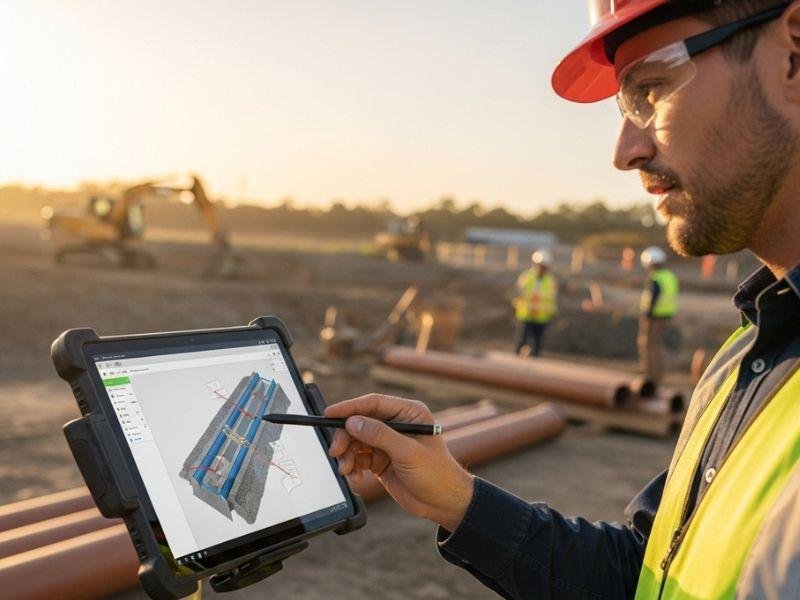
Key Responsibilities of a Drainage Engineer
Drainage engineers perform a variety of tasks, including:
Designing pipes, channels, storm sewers, and culverts
ADS
Conducting hydrologic and hydraulic analysis
Inspecting construction sites and evaluating drainage needs
Ensuring compliance with federal, state, and local regulations
Preparing technical reports, design drawings, and cost estimates
Coordinating with architects, construction teams, and government agencies
This combination of office design work and field visits makes the role dynamic and rewarding.
Education and Career Path
Step 1: Earn a Relevant Degree
Most drainage engineers hold a Bachelor’s degree in Civil Engineering or Environmental Engineering. Courses in hydraulics, hydrology, geotechnical engineering, and CAD are essential.
Step 2: Gain Practical Experience
Internships and co-op programs provide hands-on experience in real-world projects.
Step 3: Get Certified
Engineer in Training (EIT): The first step toward professional licensure
Professional Engineer (PE): Required for advanced roles and project leadership
Step 4: Continue Learning
Advanced courses in water modeling, GIS, and stormwater management can enhance career prospects.
Skills You Need to Succeed
Technical Skills
Hydrology and hydraulic analysis
CAD and Civil 3D
Engineering software like HEC-RAS, HEC-HMS, StormCAD
Professional Skills
Problem-solving and critical thinking
Strong communication for reports and presentations
Teamwork and collaboration
Attention to detail
Salary and Job Outlook in 2026
Drainage engineering offers a competitive salary, with an average of $103,000–$105,000 per year in the USA. Experienced engineers with a PE license can earn up to $120,000 or more, depending on location and specialization.
The job market is growing, driven by infrastructure development, climate change adaptation, and urban expansion. Civil and drainage engineering roles are expected to grow 5% over the next decade, offering plenty of opportunities for both fresh graduates and experienced professionals.
Top Employers and Opportunities
Drainage engineers can work in a variety of sectors:
Private Engineering Firms: Design and consulting for public and private projects
Government Agencies: City planning, DOT projects, and environmental protection
Construction and Consulting Companies: Site evaluation and project supervision
Infrastructure and Utilities: Airports, railways, and water utilities
Some roles involve office-based design work, while others include field visits and project supervision.
Why Choose a Career as a Drainage Engineer?
Be part of critical infrastructure projects that protect communities
Enjoy a high-demand, stable career with excellent earning potential
Work on diverse projects, from urban drainage to flood control
Opportunity to specialize in sustainable and green engineering
Participate in cutting-edge water management technologies
How to Find Drainage Engineer Jobs in the USA
Here are some strategies to land your dream job:
Online Job Platforms: LinkedIn, Indeed, Glassdoor
Government Websites: Local and state public works jobs
Professional Associations: American Society of Civil Engineers (ASCE)
Networking: Attend industry events and connect with alumni
Internships and Co-ops: Gain practical experience while studying
Future Trends in Drainage Engineering
Climate Resilient Infrastructure: Engineers design systems to handle extreme weather
Green Solutions: Sustainable drainage systems using permeable pavements and wetlands
Advanced Modeling Tools: Use of software for accurate simulations
Smart Cities Integration: Sensors and real-time monitoring of drainage systems
These trends mean drainage engineers will continue to play a key role in protecting communities and advancing urban development.
Conclusion
In 2026, drainage engineering is a thriving career in the United States. With strong technical skills, practical experience, and professional certification, you can pursue a rewarding role that combines engineering expertise, environmental stewardship, and community impact. Whether you’re starting your career or advancing in the field, now is the perfect time to explore drainage engineer jobs in the USA.



.jpg)
.jpg)